We prepared mesoporous silica layers by sol-gel dip-coating technique on various substrates (silicon, polycarbonate, microscope glass and quartz) with the aid of a pore-forming triblock copolymer (Pluronic PE10500). The freshly deposited layers were aged in an aqueous ammonia solution atmosphere. Two types of thermal curing were implemented depending on the substrates: a low-temperature heat treatment at 120 °C for 13 hours or a high-temperature heat treatment at 480 °C for 1 hour. We carried out the porogen extraction of the copolymer molecules from the low-temperature heat-treated samples in a water washing step.
Optical spectroscopy measurements gave evidence of a significantly improved and long-lasting light transmission of coatings. The maximum light transmission was 98.3% on glass and 97.6% on polycarbonate after 4 years of storage. TEM investigations showed thin layers with distorted face centred cubic structure.
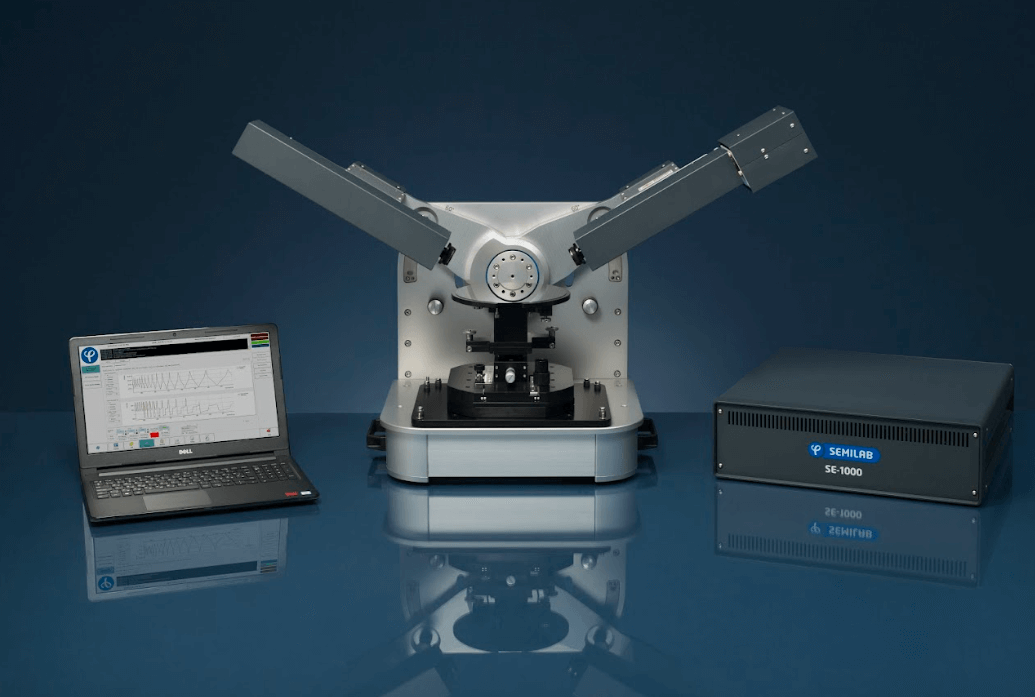
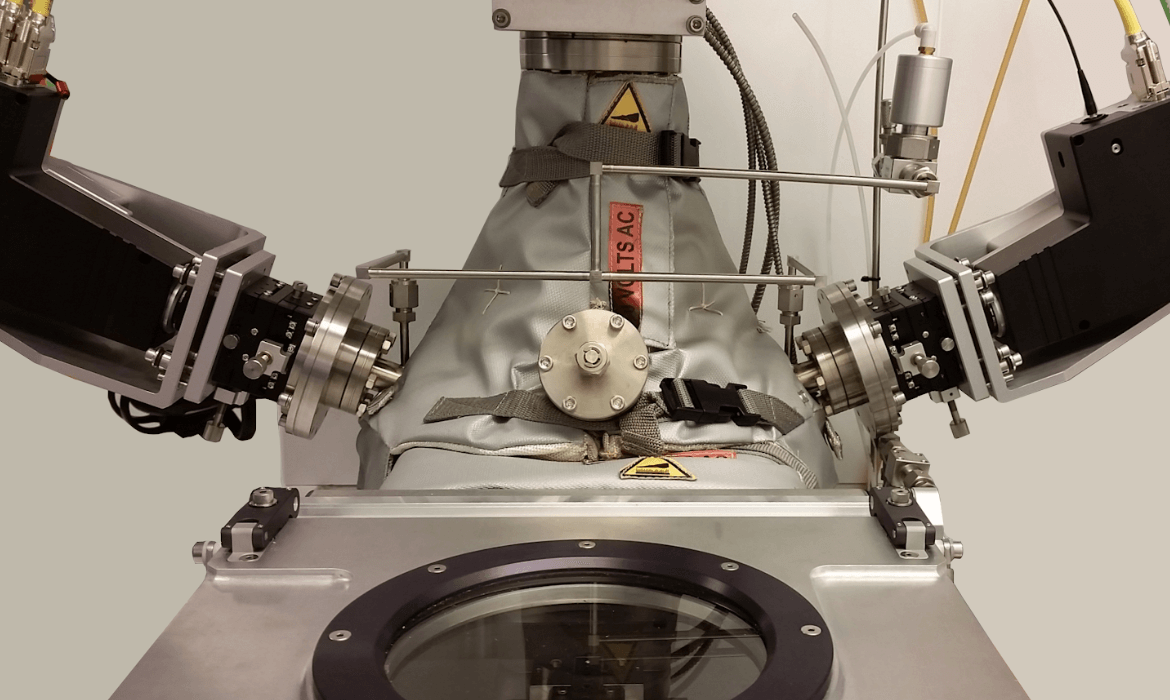
Spectroscopic ellipsometry and ellipsometric porosimetry studies showed a “two-layer” structure. The applied synthesis technique promoted the formation of a double layer structure with relatively thick (10–25 nm) pore sizes. The pseudomorphic transformation rearranged the silica/copolymer structure in presence of ammonia. The transformation was incomplete and resulted in a low porosity (23–34%) upper-layer and a high porosity (40–76%) lower-layer.