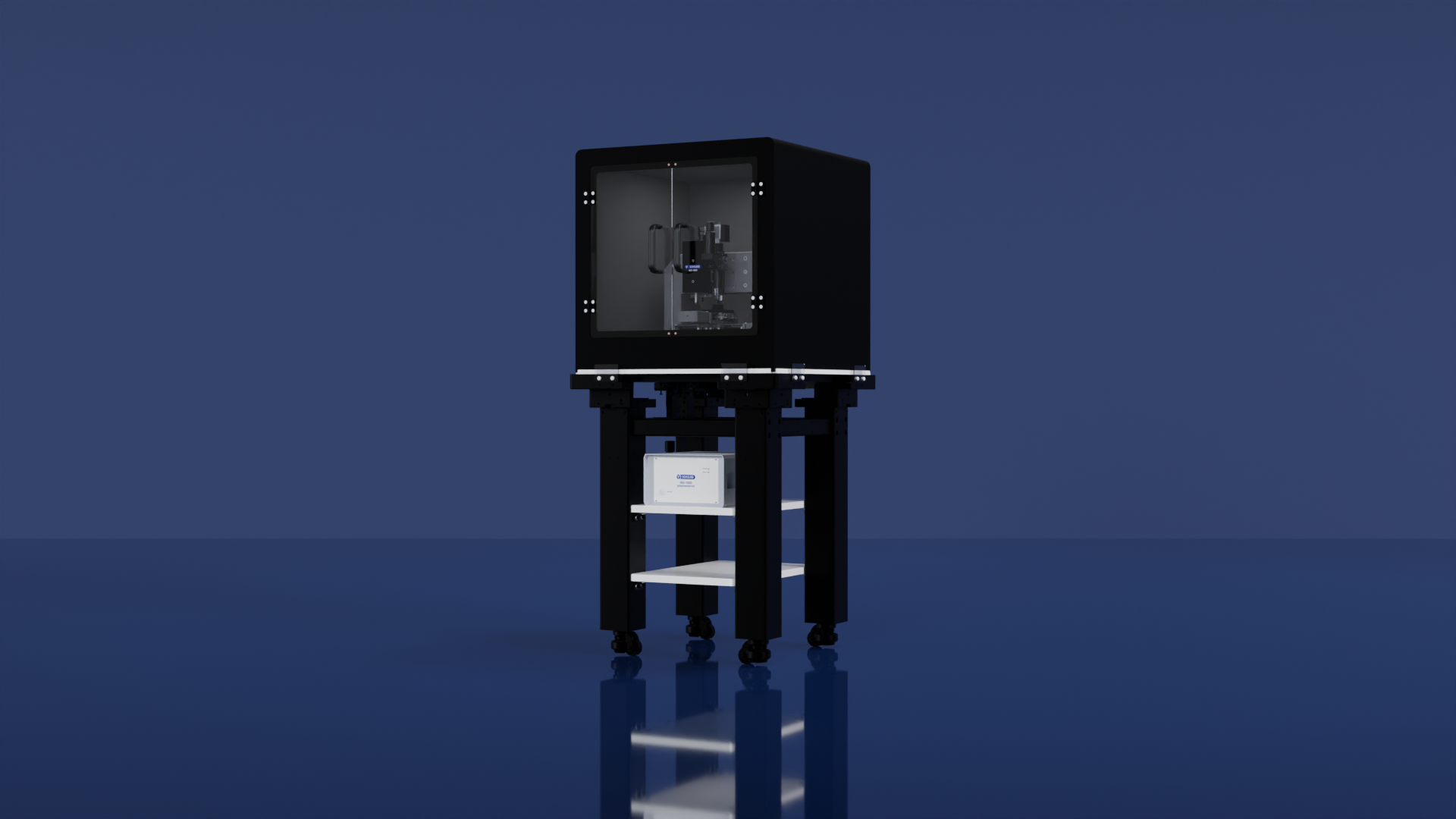
The characterization of thin films containing nanopores with diametersexceeding 50 nm poses significant challenges, especially when deploying sorption-basedtechniques. Conventional volumetric physisorption or mercury intrusion methods have limitedapplicability in thin films due to constraints in sample preparation and nondestructive testing.In this context, ellipsometric porosimetry represents a viable alternative, leveraging its opticalsensitivity to thin films. With existing setups relying on the capillary condensation of volatilecompounds such as water, applicability is typically restricted to pore dimensions <50 nm. Inthis study, we introduce two high-molar-mass hydrocarbon adsorptives, namely ethylbenzeneand n-nonane. These adsorptives exhibit substantial potential in improving the accuracy ofphysisorption measurements beyond mesoporosity (i.e., >50 nm). Specifically, with n-nonane,applicability is extended up to 80 nm pores. Our measurement guidelines propose anondestructive, expeditious (<60 min), low-pressure (<0.03 bar) approach to investigatenanoporous thin films with potential adaptability to diverse structural architectures.